

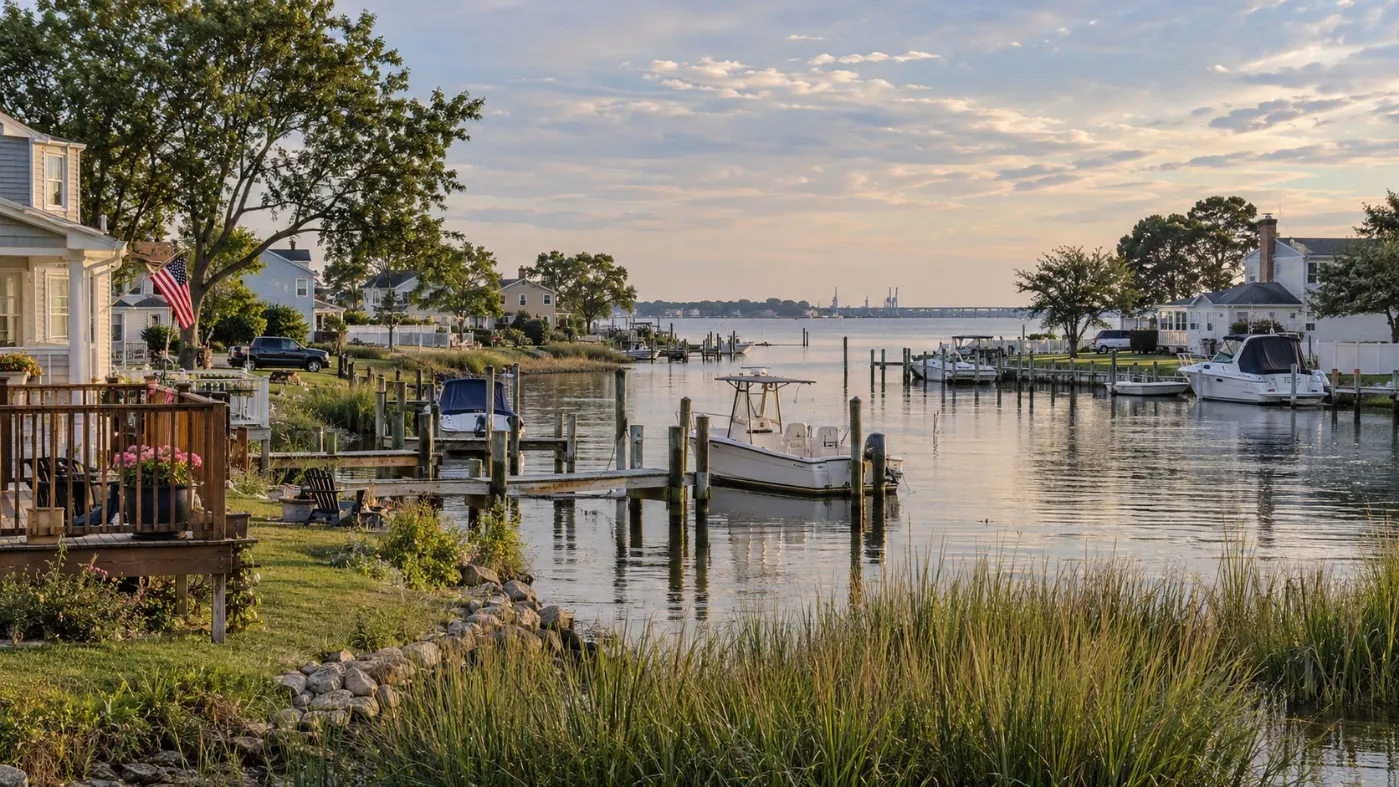
Drive through the east side of Baltimore County, and you’ll see how close the water sits to everyday life. Creeks, coves and the Back River shape the neighborhoods. That beauty comes with a cost during storm season. Anyone looking into water damage restoration Essex MD, should start by understanding the local risks.
Essex: Tides, Storm Surge and Soggy Yards
Many Essex properties sit just above tidal waters. During heavy storms, high tide and rain arrive together, and low-lying yards fill up fast. Water pushes against foundations and finds every gap. Basements and first-floor rooms are usually the first to feel it. Pay attention to forecasts that mention surge. Low tide offers little relief when the storm lingers.
Check your lot’s slope and your gutters before the season gets going. Downspouts that dump water beside the house undo all your other efforts. Extend them several feet away, and keep storm drains near your property clear of leaves. It’s boring work, but it works. Neighbors often share the same drainage problem.
Dundalk: Older Homes and Hidden Weak Spots
Dundalk is known for sturdy, older housing, with many homes dating back to the mid-1900s. Age means aging pipes, old shutoff valves and basements with cracks that have grown over decades. Those quirks explain why water damage restoration Dundalk MD residents search for often involves plumbing failures as much as flooding.
Galvanized and old copper lines can corrode from the inside, then fail suddenly. Have a plumber inspect them if you haven’t looked in years. Check washing machine hoses and water heaters while they’re there. A small repair bill today beats a flooded basement and a pile of ruined boxes tomorrow.
Sump Pumps: Your Quiet Night Shift
A working sump pump may be the best investment a low-lying home can make. It collects groundwater and pushes it out before it reaches your floor. Test it by pouring a bucket of water into the pit. The pump should kick on, run smoothly and shut off by itself. A sluggish pump is a warning worth acting on.
Power outages often come with storms, which is exactly when pumps are needed. A battery backup keeps things running for hours. Replace old pumps every seven to ten years, and clear the discharge line so it doesn’t freeze or clog. It’s a small upkeep job that pays for itself the first time it matters.
Building Storm-Season Habits
Before each season, walk the property with a notebook. Look for cracks in the foundation, loose gutters and soft spots near the walls. Move valuables off basement floors and onto shelves. Keep important papers in waterproof bags or upstairs. Simple moves like these take an afternoon and can change the outcome. Do it again after any major storm.
Stock a small kit with flashlights, batteries, bottled water and phone chargers. Know where your main shutoff is, and write down your insurance contact. After a storm, photograph any damage before moving anything. A quick record can speed up everything that comes next, from the cleanup to the claim. Check expiration dates when the season starts.
Don’t Forget the Insurance Gap
Standard homeowners policies usually exclude damage from rising floodwater. That surprises many people. Flood coverage typically comes through a separate policy, often through the National Flood Insurance Program or a private carrier. Ask your agent what’s covered before storm season, not during it. New policies often take about thirty days to start.
Sewer backup and sump failure may also need an add-on. Read the fine print and ask for real examples. A five-minute conversation now can mean thousands saved later. Then take photos of your belongings and keep the receipts for big items in a cloud folder. Update them each year. Ask about deductibles while you’re at it.
Conclusion: Know Your Risks and Respect Them
Life near the water is worth it for plenty of people in Essex and Dundalk, but it asks for a little extra attention. Check drainage, service the pump, inspect old plumbing and review your coverage. Small steps like these keep ordinary storms from turning into long repair projects. Share the plan with the rest of your household.
When the water wins anyway, visit movefastrestoration.com and get a crew started quickly. The sooner the drying begins, the less there is to rebuild, and the sooner your home feels like yours again. Save the address now so you’re not searching for it later, in the dark. Tell a friend nearby while you’re at it.
