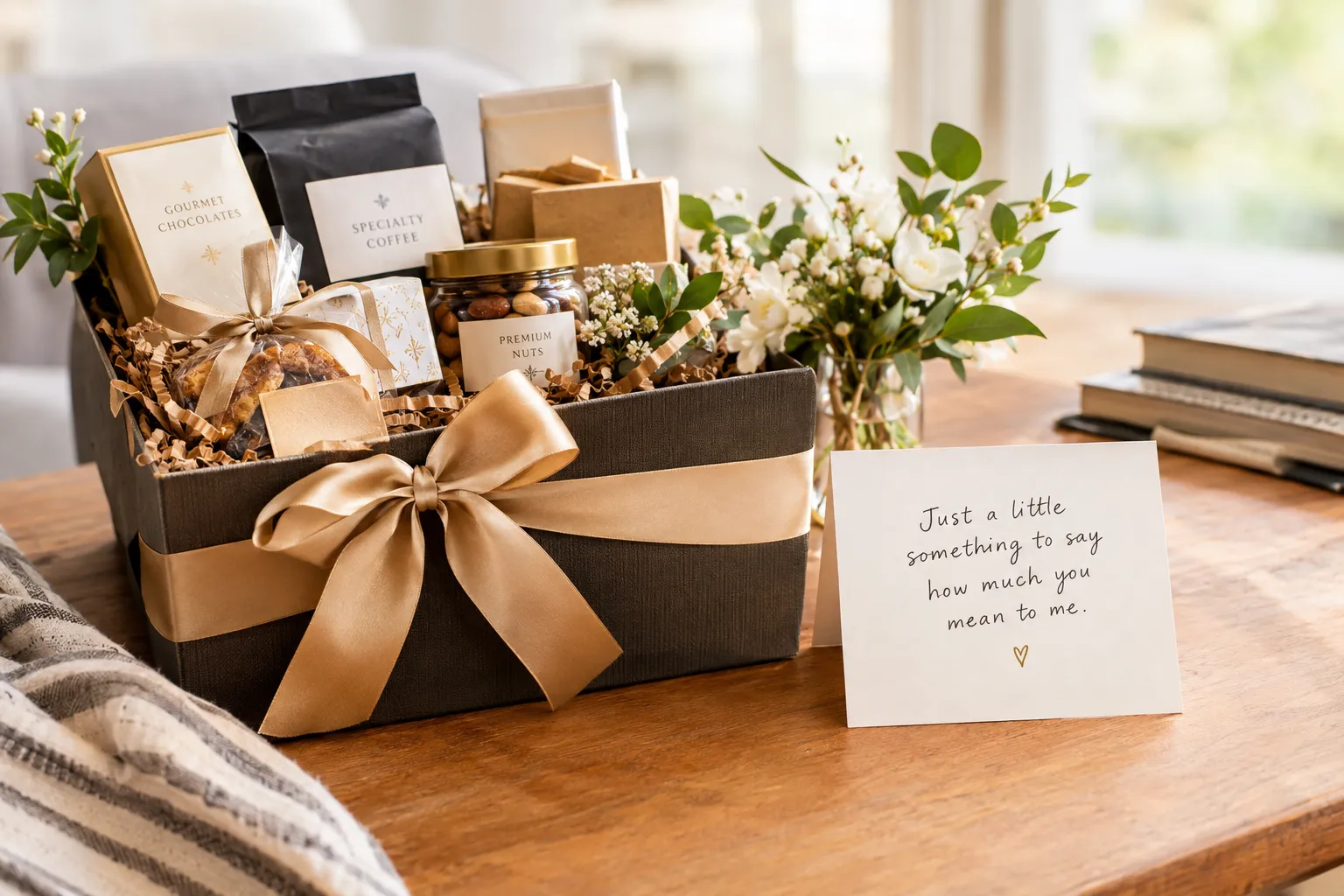
Communication is not limited to spoken or written words. Sometimes, what we choose to give someone can communicate appreciation, congratulations, affection, gratitude, or respect just as effectively as a carefully written message.
A thoughtful gift does more than mark an occasion. It tells the recipient that you noticed something about them, remembered an important moment, or took time to choose something meaningful. That is why the best gifts are rarely about price alone. They are about intention.
Whether you are thanking a colleague, congratulating a newly married couple, celebrating a milestone, or simply letting someone know you care, the right gift can reinforce a relationship in a subtle but memorable way.
Why Gifts Are a Form of Communication
Human relationships are built through countless small signals. A conversation, handwritten note, phone call, or unexpected gift can communicate the same underlying message: you matter to me.
Gifts can be particularly powerful because they combine intention with action.
A thoughtful gift can communicate:
- Appreciation for someone’s contribution
- Congratulations on an achievement
- Gratitude for their support
- Affection toward a friend or family member
- Respect toward a colleague or business associate
- Recognition of an important milestone
The important distinction is between simply giving something and giving something thoughtfully.
A generic present may fulfill a social expectation, while a carefully selected gift can feel personal because it reflects the recipient’s interests, personality, or circumstances.
The Psychology Behind Thoughtful Gifting
Gift-giving has a social purpose that extends beyond the physical object itself. It can reinforce connections and create positive memories around an event.
Consider two scenarios.
In the first, someone receives an expensive but impersonal gift that could have been given to almost anyone.
In the second, they receive a modest gift accompanied by a handwritten note explaining why it reminded the sender of them.
The second gift may be remembered longer.
This illustrates an important principle: meaning often matters more than monetary value.
Thoughtful gifting requires paying attention. What does the person enjoy? What occasion are you recognizing? Would they appreciate something practical, sentimental, elegant, or experiential?
These questions transform gifting from a transaction into communication.
Match the Gift to the Occasion
One of the easiest ways to make a gift feel intentional is to consider the occasion before choosing it.
Celebrations and Milestones
Major milestones naturally call for something that feels celebratory.
Graduations, promotions, anniversaries, retirements, and business achievements are opportunities to acknowledge progress. A curated gift can make the recipient feel that their accomplishment has been noticed.
For an important celebration, people looking for an elegant present can buy champagne gifts online and select a presentation that suits the recipient and occasion. A thoughtfully arranged gift can provide a traditional celebratory touch while allowing the sender to include complementary treats or a personal message.
The key is not simply selecting something expensive. It is making sure the gift fits the significance of the occasion.
Weddings and New Beginnings
Weddings are another occasion where the symbolism of a gift matters.
A newly married couple is beginning a new chapter, so gifts that encourage them to celebrate together can be especially appropriate. Some couples may prefer traditional sparkling selections, while others may appreciate lighter and more casual options.
For those planning a wedding gift, it is possible to shop prosecco gift baskets that combine a celebratory selection with chocolates, gourmet snacks, or other complementary items. This creates an experience rather than simply handing someone a single present.
Personalization Makes the Message Stronger
Personalization does not necessarily mean engraving someone’s name on a product.
It can be as simple as selecting something based on a known preference.
For example, if a friend enjoys entertaining guests, a beautifully presented gift designed for sharing may be more meaningful than an unrelated luxury item. If a colleague enjoys trying new flavors, a curated gourmet basket might communicate that you remember their interests.
Even a short note can dramatically improve the emotional value of a gift.
Instead of writing only:
Congratulations!
You might write something that connects the gift to the occasion:
Congratulations on reaching this exciting milestone. I hope you take some time to celebrate everything you’ve accomplished.
The object remains the same, but the communication becomes much more personal.
Presentation Is Part of the Message
People often focus heavily on what is inside a gift while overlooking how it is presented.
Packaging creates the recipient’s first impression. A well-arranged gift suggests care and attention, while careless packaging can unintentionally make even an expensive present feel ordinary.
Consider these simple presentation details:
- Choose packaging appropriate to the occasion.
- Include a handwritten or personalized message.
- Use complementary items rather than unrelated fillers.
- Consider the recipient’s personal style.
- Make sure fragile items are securely packaged.
- Avoid excessive packaging that creates unnecessary waste.
A carefully presented gift communicates that the sender considered the recipient’s experience from beginning to end.
Thoughtful Gifting Does Not Have to Be Expensive
There is a common misconception that meaningful gifts need to have a high price tag.
In reality, thoughtfulness often comes from relevance.
A book connected to someone’s favorite subject, a framed photograph, a homemade item, a personalized note, or a carefully selected basket can all carry significant emotional value.
Budget should therefore be treated as a constraint, not the definition of quality.
When choosing a gift, ask:
Would this make the recipient feel understood?
That question is often more useful than asking whether the item looks impressive.
Avoid Gifts That Create Pressure
Good communication considers how the other person might receive the message.
A gift that is excessively expensive, overly intimate, or inappropriate for the relationship can sometimes create discomfort rather than appreciation.
This is particularly important in professional settings.
Before giving a gift, consider:
- How well do I know the recipient?
- Is this appropriate for our relationship?
- Could the gift be misunderstood?
- Does the organization have gifting policies?
- Would the recipient feel comfortable accepting it?
Thoughtful gifting is ultimately about making another person feel appreciated—not obligated.
The Importance of Timing
Even an excellent gift can lose some of its impact if it arrives at the wrong time.
For birthdays and anniversaries, timing is naturally important. For professional recognition, a gift delivered soon after an achievement can reinforce the connection between the accomplishment and the recognition.
However, gifts do not always need to follow a calendar.
An unexpected thank-you gift can sometimes be more meaningful because it is not connected to a social obligation.
There is something powerful about receiving a thoughtful gesture simply because someone wanted to express appreciation.
When a Gift Becomes a Shared Experience
Some of the most memorable gifts are not objects that sit on a shelf. They create an opportunity for people to spend time together.
A carefully assembled basket can encourage a couple to celebrate at home. Gourmet selections can become part of a dinner with friends. A special gift set can provide the starting point for a conversation or gathering.
This is particularly valuable because relationships are strengthened through shared experiences.
The physical gift may eventually disappear, but the memory associated with it can remain.
How to Write a Better Gift Message
A gift message does not need to be long. In fact, a few sincere sentences are often more effective than a lengthy paragraph.
A simple structure works well:
Acknowledge → Personalize → Wish
For example:
Congratulations on your new role. Your dedication has always been impressive, and I know you’ll bring that same energy to this next chapter. Wishing you continued success.
This structure works because it recognizes the occasion, adds a personal observation, and ends with a positive sentiment.
For more emotional occasions, allow the message to sound natural rather than overly formal. Authenticity is more important than finding the perfect words.
Thoughtful Gifting in the Digital Age
Modern communication is increasingly digital. Messages arrive instantly, celebrations happen through video calls, and social networks allow people to stay connected across great distances.
That makes physical gestures surprisingly meaningful.
Receiving an actual package in the mail creates a different experience from receiving a notification on a phone. Opening a carefully prepared gift provides a moment of anticipation and gives the recipient something tangible to associate with the person who sent it.
For people separated by distance, gifting can therefore serve as a physical extension of communication.
It says: Even though I cannot be there in person, I wanted to be part of this moment.
A Simple Framework for Choosing a Meaningful Gift
If you regularly struggle with gift ideas, use this five-step framework:
1. Identify the Occasion
Determine whether you are celebrating, thanking, congratulating, supporting, or simply surprising someone.
2. Consider the Recipient
Think about their interests, lifestyle, personality, and preferences.
3. Choose the Experience
Ask whether the gift should be practical, sentimental, celebratory, luxurious, useful, or designed for sharing.
4. Add a Personal Element
A handwritten message, personalized packaging, or carefully chosen complementary item can make the gift more distinctive.
5. Consider the Delivery
Think about when and where the recipient will receive it. Timing and presentation are part of the overall experience.
Frequently Asked Questions
What makes a gift thoughtful?
A thoughtful gift reflects the recipient’s personality, interests, relationship with the sender, or the significance of the occasion. Price is secondary to relevance and intention.
Should a professional gift be expensive?
Not necessarily. Professional gifts should be appropriate to the relationship and workplace context. A modest but carefully selected gift can communicate appreciation effectively.
Are gift baskets suitable for celebrations?
Yes. Gift baskets can combine several complementary items, making them suitable for birthdays, weddings, anniversaries, professional milestones, and other celebrations.
How can I make a gift more personal?
Include a sincere message, choose items based on the recipient’s interests, or select a presentation that reflects the occasion. Personal relevance usually matters more than cost.
When should I send a celebration gift?
Ideally, send it close enough to the occasion that the recipient can associate it with the milestone. However, an unexpected gift outside the traditional timeline can also be meaningful.
Conclusion
Thoughtful gifting is ultimately another form of communication.
The most memorable gifts are not necessarily the largest, rarest, or most expensive. They are the ones that make people feel seen and appreciated. By considering the occasion, understanding the recipient, choosing something appropriate, and adding a personal message, a simple present can communicate far more than its contents.
In a world where so much communication happens through screens, a carefully chosen physical gift can provide a welcome reminder that relationships are built through attention, generosity, and genuine human connection.