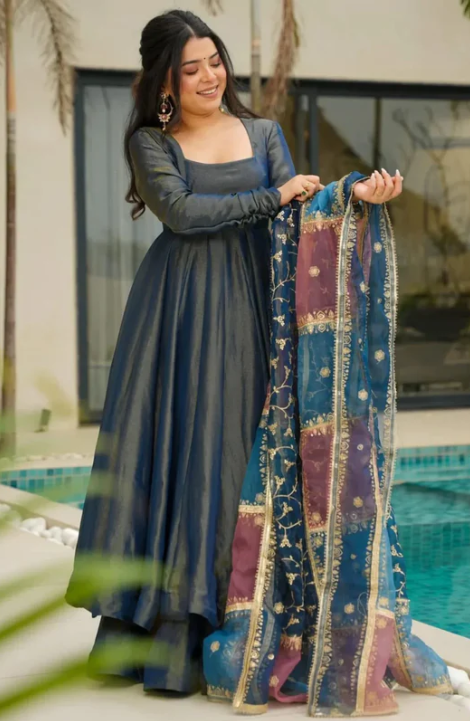
Fashion evolves not only through new trends and colors but also through the way garments are designed and constructed. In ethnic wear, tailoring has become one of the most influential factors shaping contemporary styles. While traditional silhouettes remain popular, modern design techniques are introducing fresh interpretations that appeal to changing consumer preferences. This evolution is particularly visible in the growing interest surrounding suit design latest trends and the continued relevance of the Salwar Kameez.
Today, ethnic fashion is no longer defined solely by embellishments or fabric choices. Fit, structure, and thoughtful tailoring play an equally important role in determining how an outfit looks and feels. As designers continue to experiment with silhouettes and construction techniques, traditional garments are finding new ways to remain relevant in a fast-changing fashion landscape.
The Role of Tailoring in Fashion Evolution
Fashion often focuses on visible elements such as color, embroidery, and prints. However, the foundation of any well-designed garment lies in its construction. Tailoring influences how clothing fits, moves, and complements the wearer.
In recent years, consumers have become more aware of the importance of fit and silhouette. Rather than choosing garments based solely on appearance, many now prioritize clothing that offers comfort alongside style.
This growing emphasis on tailoring has encouraged designers to rethink traditional ethnic wear, creating garments that feel contemporary while preserving their cultural essence.
How Salwar Kameez Continues to Adapt
The Salwar Kameez has remained a cornerstone of ethnic fashion for decades because of its versatility and adaptability. Its enduring popularity is largely due to its ability to evolve alongside changing fashion preferences.
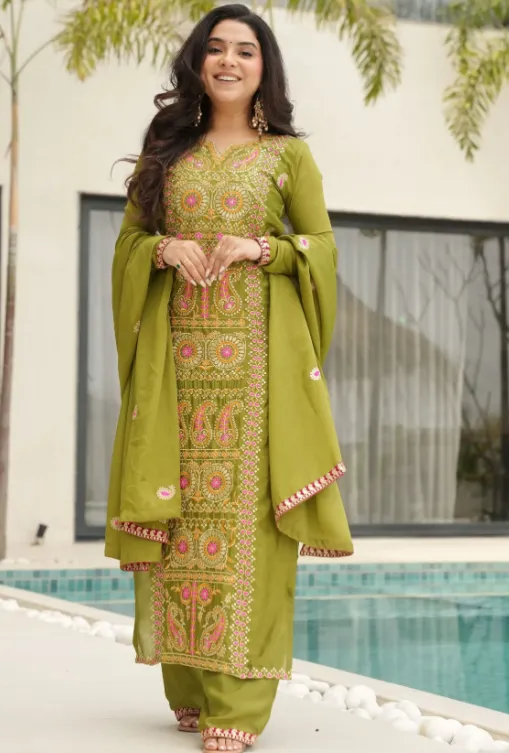
Designers frequently reinterpret this classic outfit through updated tailoring techniques, modern cuts, and innovative styling approaches. These adjustments help keep the garment relevant without altering its fundamental identity.
The result is a style that appeals to both women who appreciate traditional fashion and those seeking a more contemporary aesthetic.
This balance between heritage and innovation has contributed significantly to the continued success of the salwar kameez.
Why Modern Silhouettes Matter
One of the most noticeable changes in ethnic fashion is the growing importance of silhouette. Consumers increasingly pay attention to how garments are shaped and structured rather than focusing exclusively on decorative elements.
Current suit design latest trends often emphasize:
- Refined tailoring
- Contemporary cuts
- Balanced proportions
- Comfortable fits
- Minimal yet effective detailing
These elements help create outfits that feel modern while maintaining the elegance associated with traditional attire.
As fashion continues to evolve, silhouette-driven design is becoming a defining characteristic of contemporary ethnic wear.
The Shift Toward Functional Fashion
Modern consumers expect more from their clothing than visual appeal alone. Practicality, comfort, and ease of wear have become essential considerations when selecting outfits.
This shift has encouraged designers to create garments that support everyday lifestyles while remaining stylish. Tailoring plays a critical role in achieving this balance because it directly affects how clothing fits and performs throughout the day.
The popularity of updated salwar suit designs reflects a broader movement toward functional fashion that prioritizes both aesthetics and usability.
Rather than choosing between comfort and style, consumers increasingly expect both.
Craftsmanship Beyond Embellishment
When discussing ethnic fashion, craftsmanship is often associated with embroidery, weaving, or decorative detailing. However, tailoring is also a form of craftsmanship that significantly influences the final appearance of a garment.
Precise construction, thoughtful pattern-making, and attention to fit can elevate even the simplest design. In many modern collections, tailoring has become the primary feature that distinguishes contemporary ethnic wear.
This approach reflects changing consumer preferences, where subtle sophistication is often valued more than excessive ornamentation.
As a result, modern tailoring is becoming an increasingly important part of ethnic fashion innovation.
Why Design Innovation Keeps Traditional Wear Relevant
Traditional garments remain successful because they continue to adapt to changing lifestyles. Rather than remaining fixed in a single form, ethnic wear evolves through design improvements that enhance both appearance and functionality.
The growing interest in suit design latest trends demonstrates how innovation can refresh familiar silhouettes without compromising their cultural significance.
By incorporating modern tailoring techniques, designers ensure that traditional attire remains appealing to younger generations while continuing to serve long-time enthusiasts of ethnic fashion.
This ability to evolve is one of the reasons traditional garments maintain their relevance year after year.
Final Thoughts
The relationship between suit design, latest trends and the enduring popularity of the Salwar Kameez highlights the important role of tailoring in modern fashion. While colors, fabrics, and embellishments continue to influence style, thoughtful construction often determines how successfully a garment meets contemporary expectations.
As consumers increasingly value comfort, fit, and versatility, modern tailoring is helping traditional wear evolve without losing its identity. By combining heritage with innovation, designers continue to ensure that ethnic fashion remains both timeless and relevant in today’s changing fashion landscape.