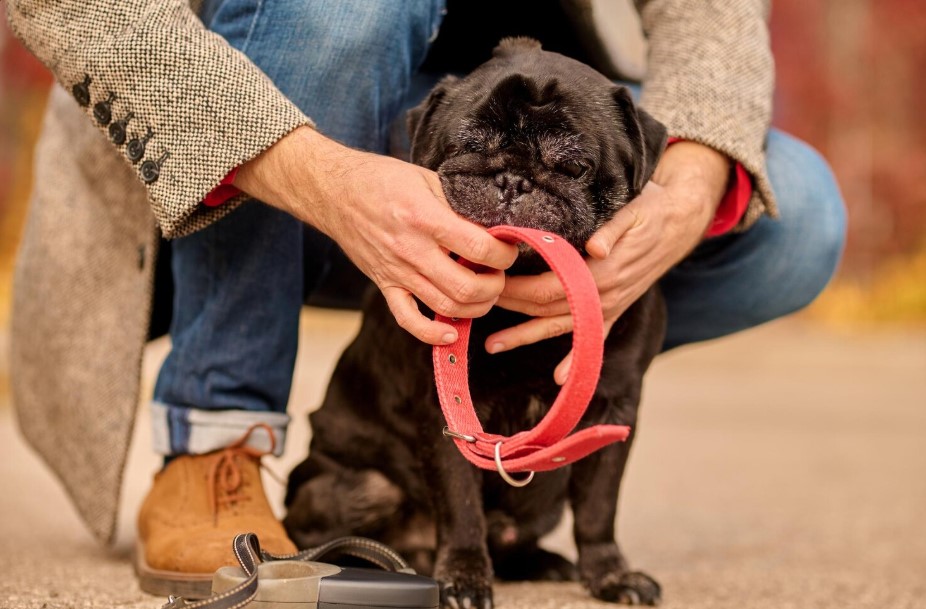
Dog collars are essential for everyday control, identification, and style, whether you are walking in the neighborhood or training in the park. The right collar supports your dog’s safety and comfort while helping you follow leash laws and attach ID tags or accessories.
Why Dog Collars Are So Important
A collar is more than just an accessory; it’s your dog’s most important safety tool. A well-fitted collar allows you to secure ID tags and a leash in seconds, which is your first line of defense if your pet wanders off. Beyond safety, a sturdy collar gives you immediate control in crowded or distracting areas, keeping both your dog and others safe.
When you choose high-quality dog collars, you reduce the risk of skin irritation or accidental breakage. The right size, width, and tools help ensure that the collar stays secure without being too tight. Checking the fit regularly and adjusting as your dog grows or changes weight keeps your pet comfortable and protected.
Best Dog Collars: What to Look For
The best dog collars balance comfort, durability, and control. Look for materials like nylon, neoprene, leather, or padded webbing that are gentle on the skin but strong enough for daily use. Quality tools such as sturdy D‑rings and secure buckles prevent sudden failures during walks or training.
You should also consider your dog’s size, breed, and behavior. Large or strong dogs often need wider, more robust collars, while smaller dogs may be more comfortable in lighter, narrower styles. Reflective stitching or bright colors can add visibility for evening walks, making the best dog collars both safe and stylish at the same time.
Collars for Dogs: Types and Uses
There are many different collars for dogs, each suited to specific needs. Flat collars are the standard everyday option for most dogs, ideal for ID tags and regular leash attachment. Martingale collars provide more control for narrow‑headed breeds, helping prevent slipping out without constant tightness when fitted correctly.
You can also find breakaway collars designed for safety, especially for dogs that spend time unsupervised and might get caught on objects. For training, some owners use special designs, but these should only be chosen with professional guidance to avoid discomfort or harm. Matching the type of collar to your dog’s lifestyle and training level keeps both safety and welfare in mind.
Dog Leashes and Collars: A Perfect Walking Pair
A good walking setup combines dog leashes and collars that work together smoothly. Standard leashes made from nylon, rope, or leather are ideal for everyday walks, while longer training leads are useful for recall practice and controlled freedom. The clip on the leash should attach securely to the collar’s D‑ring without slipping or jamming.
When choosing dog leashes and collars together, think about the overall weight and balance. A heavy leash on a small collar can be uncomfortable for smaller dogs, while a very light leash may not feel secure with large, strong dogs. Matching strength, length, and handle comfort ensures both you and your dog enjoy more controlled, relaxed walks.
Dog Collars and Harnesses: When to Use Each
Many owners now use a combination of dog collars and harnesses depending on the activity. Collars are ideal for everyday identification and casual walks, while harnesses distribute pressure over the chest and shoulders instead of the neck. This can be especially helpful for dogs that pull, have respiratory issues, or are very small and delicate.
No‑pull harness designs can give you better control without harsh corrections, making walks more comfortable for both you and your dog. Some owners clip the leash to the harness while keeping tags on the collar for convenience. By using dog collars and harnesses together, you get flexible options for training, travel, and daily outings.
How to Measure and Fit Dog Collars Correctly
Proper fit is critical for any dog collars you choose. A common rule is the “two‑finger test”: once you fasten the collar, try to slide two fingers between the material and your dog’s neck. If you can’t fit your fingers, it’s too tight and will cause chafing. If there is a large gap, your dog can easily slip their head out during a walk.
Always measure your dog’s neck with a soft tape measure and compare it to the size guide for the specific collar. Puppies and young dogs should have their collar fit checked regularly as they grow. Adjusting or replacing collars as needed helps avoid pressure points, hair loss, or escape risks.
Care and Maintenance of Dog Collars, Leashes, and Harnesses
Like any daily‑use gear, collars, leashes, and harnesses need regular inspection and cleaning. Check stitching, buckles, and D‑rings for signs of wear, rust, or cracking. If you notice fraying, stretched holes, or damaged tools, it is time to replace the item to maintain safety.
Cleaning routines depend on material: many nylon products can be hand‑washed with mild soap and air‑dried, while leather collars may need specific leather cleaners and conditioners. Keeping dog collars and harnesses clean helps prevent skin irritation and keeps your dog more comfortable, especially in hot or humid weather.
FAQ’s
1. How do I choose the right size dog collar?
Measure your dog’s neck with a soft tape and add a small allowance for comfort. The collar should allow two fingers between the strap and the neck. Always use the brand’s size chart when choosing dog collars.
2. What are the best dog collars for puppies?
For puppies, the best dog collars are lightweight, adjustable, and soft on the skin. Make sure they are easy to resize as your puppy grows and avoid heavy tools or very stiff materials.
3. Are collars for dogs safe to wear all the time?
Most collars for dogs are safe for everyday use if they fit correctly and are checked regularly. However, some owners remove collars during crate time or rough play to avoid snagging, especially if the collar does not have a breakaway feature.
4. Should I use dog leashes and collars or a harness for walking?
Both dog leashes and collars and harnesses can be safe for walks. Collars are fine for calm, leash‑trained dogs, while harnesses are often better for pullers, small breeds, or dogs with neck issues. Many owners use a harness for walking and a collar for ID tags.
5. When are dog collars and harnesses used together?
Using dog collars and harnesses together is common: the harness takes the leash attachment to protect the neck, while the collar holds ID tags. This combination gives you flexibility for training, travel, and everyday safety without sacrificing comfort.