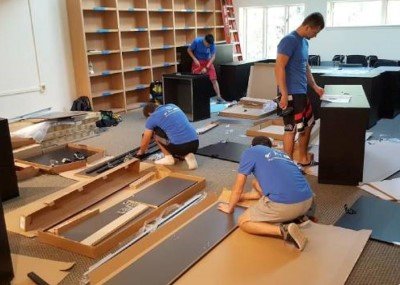
Relocating an office is often seen as a disruptive event, especially when teams depend on consistent communication, systems, and daily routines. However, a move doesn’t have to interrupt productivity if it’s planned with workflow continuity in mind. Instead of treating relocation as a one-time shift, businesses should approach it as a controlled transition. Working with experienced Office movers Brisbane and coordinating effectively with Commercial Removalists Sydney is important, but maintaining daily workflow depends on how well operations are structured around the move.
A workflow-focused strategy allows your business to continue functioning smoothly, even during relocation.
Why does workflow disruption happen during office moves?
Most disruptions occur when relocation planning focuses only on physical movement rather than operational continuity. Shifting equipment, teams, and systems all at once can create gaps in communication and productivity.
Without a structured plan, employees may face downtime, delays in accessing resources, or confusion about responsibilities. Professional Commercial Removalists Sydney handle logistics, but workflow stability depends on internal planning.
Understanding this helps you prioritise business continuity.
Separating operations from relocation tasks
One of the most effective ways to avoid disruption is to separate daily operations from moving activities. Trying to manage both simultaneously without structure can create confusion.
Assign dedicated teams or time slots for relocation tasks while keeping core business functions running independently. This allows Office movers Brisbane to work without interfering with ongoing operations.
Clear separation maintains focus on both areas.
Implementing a phased relocation approach
Moving the entire office at once can cause significant disruption. A phased approach helps maintain continuity.
Relocate departments in stages so that some teams remain operational while others are moved. This ensures that essential services continue without interruption.
This method allows Commercial Removalists Sydney to manage logistics more efficiently while supporting business continuity.
Prioritising essential business functions
Not all departments contribute equally to the daily workflow. Identifying critical functions helps you allocate resources effectively.
Focus on maintaining operations in areas such as customer service, communication, and management. Less critical departments can be moved first.
This prioritisation allows Office movers Brisbane to coordinate tasks without affecting key activities.
Preparing IT systems for seamless transition
Technology plays a central role in modern business operations. Even short disruptions in IT systems can impact workflow.
Ensure that systems are backed up, and plan for quick disconnection and reconnection. Coordinate with your IT team to minimise downtime.
Working alongside Commercial Removalists Sydney ensures that equipment is handled safely while maintaining system continuity.
Scheduling the move during low-impact hours
Timing plays a crucial role in maintaining workflow. Moving during peak business hours can disrupt operations.
Consider scheduling relocation activities during evenings, weekends, or off-peak periods. This reduces interference with daily work.
Strategic timing allows Office movers Brisbane to complete tasks without affecting productivity.
Maintaining clear communication with employees
Employees need to understand how the move will affect their roles and responsibilities. Lack of communication can lead to confusion and inefficiency.
Provide clear instructions, timelines, and updates throughout the relocation process. This helps teams stay aligned and prepared.
Effective communication supports coordination with Commercial Removalists Sydney.
Preparing the new office before the move
A ready workspace is essential for maintaining workflow. If the new office is not prepared, delays in setup can disrupt operations.
Ensure that infrastructure such as internet, power, and workspace arrangements are in place before moving day. This allows Office movers Brisbane to place items directly in position.
Preparation reduces downtime.
Allowing flexibility for unexpected changes
Even with careful planning, unexpected issues can arise. Being flexible helps you manage these situations without disrupting workflow.
Build buffer time into your schedule and prepare backup solutions if needed. This ensures continuity even if delays occur.
Flexible planning allows Commercial Removalists Sydney to adapt without affecting operations.
Monitoring workflow during the transition
Relocation does not end once items are moved. Monitoring workflow during and after the move helps ensure stability.
Track productivity, address issues quickly, and make adjustments where necessary. This helps maintain consistency.
Active monitoring supports the work of Office movers Brisbane and ensures a smoother transition.
Conclusion
Relocating an office without disrupting daily workflow requires a balance between operational continuity and logistical efficiency. By focusing on phased relocation, clear communication, and proper preparation, you can maintain productivity throughout the move.
A structured approach ensures that your business continues to function smoothly, even during a major transition, allowing you to relocate with minimal impact on daily operations.