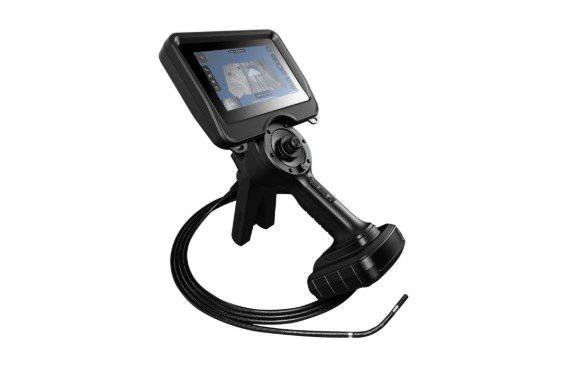
Engine inspections are a critical aspect of aircraft maintenance, ensuring safety, reliability, and operational efficiency. Traditional inspection methods, while effective, often require significant disassembly and manual measurements, which increase downtime and the risk of errors. In recent years, 3D measurement cameras, particularly dual-view systems, have transformed how maintenance teams assess internal components. These tools provide accurate, high-resolution imaging combined with precise measurement capabilities, allowing technicians to identify wear, cracks, or deformation without extensive teardown. The impact on inspection accuracy, efficiency, and safety is significant.
Understanding Dual-View 3D Measurement Technology
Dual-view 3D measurement cameras combine two imaging perspectives to generate a three-dimensional representation of the target area. This technology enables technicians to assess complex geometries and internal surfaces that are difficult to view with conventional borescopes or single-camera systems. By capturing depth and spatial relationships between components, dual-view systems provide measurements that are both precise and verifiable. These capabilities are particularly beneficial for turbine blades, combustion chambers, and other high-stress engine parts where accurate assessment is essential.
Advantages for Inspection Accuracy
One of the most important benefits of 3D measurement cameras is the improvement in inspection accuracy. Traditional inspections rely on visual judgment and handheld gauges, which can be inconsistent depending on the operator’s experience. Dual-view 3D systems deliver measurable precision directly from the captured images. Technicians can record dimensions, angles, and distances within the engine, reducing the likelihood of missed defects. Accurate measurements support better maintenance decisions and prevent unexpected component failures.
Enhancing Safety During Engine Checks
Safety is a major concern during engine inspections. Conventional methods often require partial disassembly, exposing technicians to moving components, heat, and confined spaces. 3D measurement cameras minimize the need for invasive procedures. Probes can access internal areas through designated inspection ports, reducing physical contact with hot or rotating components. This capability not only protects personnel but also decreases the risk of accidental damage to engine parts. The ability to perform precise measurements remotely enhances both technician safety and engine integrity.
Speeding Up Maintenance Workflows
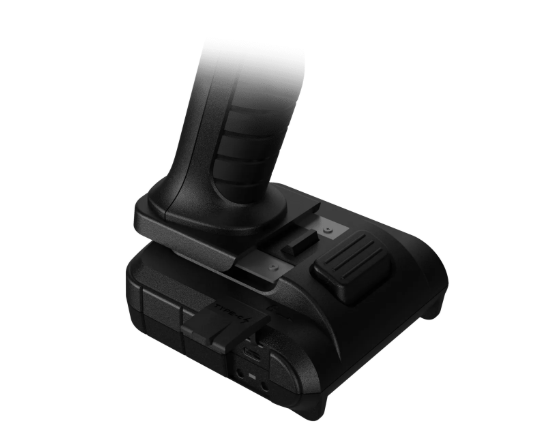
Time efficiency is critical in aviation maintenance. Every hour of downtime can have operational and financial consequences. 3D measurement cameras streamline workflows by combining imaging and measurement in a single step. Technicians no longer need to switch between visual inspection and manual gauging. The dual-view design allows simultaneous assessment of multiple angles, reducing repositioning time. Faster inspections allow maintenance teams to detect issues earlier, schedule repairs more efficiently, and return aircraft to service sooner.
Practical Applications in Engine Maintenance
3D measurement cameras are particularly effective for high-precision components such as turbine blades, compressors, and combustors. Small cracks or erosion on turbine blades can be accurately measured and documented without removing the component from the engine. Similarly, inspection of combustion chambers benefits from the ability to measure surface deformation and spacing between critical parts. By providing accurate 3D data, these cameras support preventive maintenance and extend the life of engine components.
Integration with Digital Records
Modern maintenance programs rely on digital records for regulatory compliance, trend monitoring, and decision-making. 3D measurement cameras integrate directly with maintenance software to store images, videos, and measurements. This allows technicians to track component condition over time and compare results from previous inspections. Consistent, high-quality records enhance communication between teams, support audits, and enable more effective planning of future maintenance cycles.
Improving Training and Skill Development
The introduction of 3D measurement cameras also supports technician training. New maintenance personnel can review high-quality 3D images and measurements to learn inspection techniques more efficiently. Experienced technicians benefit from enhanced visualization that clarifies component geometry and defect assessment. Over time, teams develop stronger proficiency and confidence, which improves overall maintenance quality and reduces inspection errors.
Cost and Operational Benefits
Although advanced 3D measurement cameras require an initial investment, they provide long-term operational savings. Reduced disassembly, faster inspections, and fewer repeat checks translate into lower labor costs and minimized aircraft downtime. Accurate measurements prevent unnecessary part replacements and support predictive maintenance strategies. By improving efficiency, safety, and precision, 3D measurement technology offers both financial and operational advantages for maintenance teams.
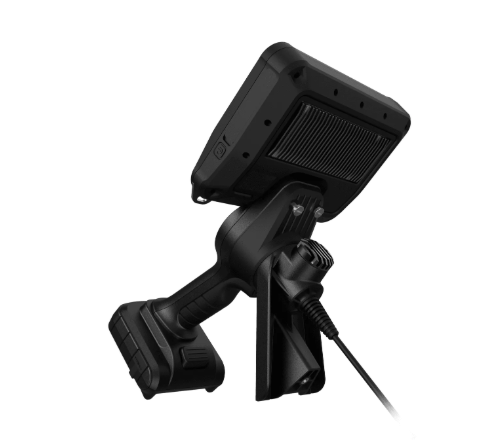
USA3000J 6mm Dual-View 3D Measuring Videoscope
The USA3000J 6mm Joystick Articulation Dual-View 3D Measuring Videoscope integrates dual-view imaging with precise 3D measurement. Its joystick articulation allows technicians to control probe direction accurately, reaching tight spaces and inspecting curved or angled components. The 6mm probe diameter provides access through small inspection ports without disassembly. By capturing high-definition images with measurement overlays, the system delivers actionable insights while improving safety and efficiency during engine inspections.
Future Implications for Maintenance Programs
As aviation technology continues to advance, 3D measurement cameras will play an increasingly important role in maintenance programs. They enable maintenance teams to adopt predictive strategies, detect defects early, and reduce unplanned maintenance events. Integration with digital systems, combined with high-resolution imaging and precise measurement, ensures inspections are thorough and repeatable. Over time, this technology has the potential to redefine standards for accuracy, efficiency, and safety in engine maintenance.
Engine Inspections Made Easier with 3D Measurement Cameras
3D measurement cameras are transforming engine inspections by combining high-resolution imaging with precise, dual-view measurement capabilities. They improve inspection accuracy, enhance safety, reduce downtime, and support data-driven maintenance decisions. For aviation professionals seeking solutions that optimize engine inspections and maintenance workflows, USA Borescopes offers cutting-edge equipment designed for precision, safety, and operational efficiency. Contact them today.
About the Author
The author is a technical writer specializing in aviation maintenance, inspection technology, and industrial equipment. They focus on providing clear, practical guidance for maintenance professionals. With experience evaluating inspection workflows and equipment performance, they offer insights that support safe, efficient, and reliable engine maintenance. They are committed to producing original, well-researched content that helps maintenance teams make informed decisions and maintain operational readiness.