

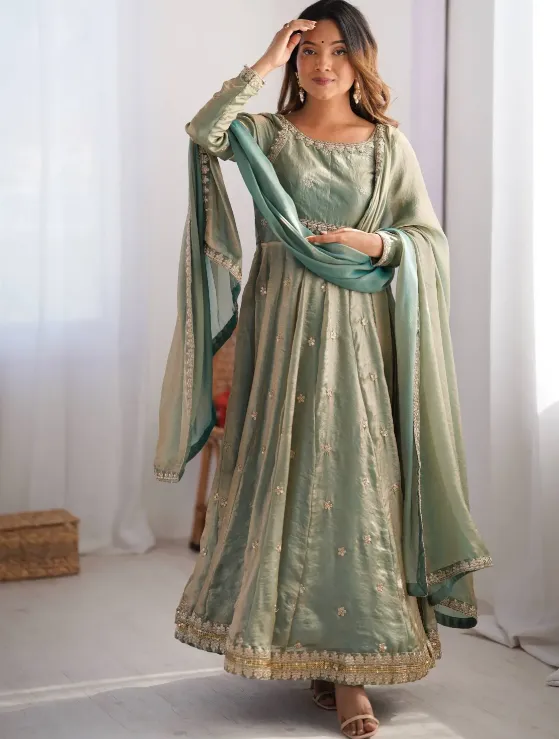
Wedding fashion is often judged through photographs, but an outfit has to work for many hours before those pictures are taken. When choosing a wedding gown for women, it helps to think about movement, lighting, fit, and comfort alongside the overall design.
A gown should feel special without demanding constant adjustment. The right combination of silhouette, fabric, and styling can create a polished look from the first ceremony photograph to the final evening celebration.
Start With Your Role at the Wedding
The level of formality should match your place in the celebration. A bride, sister of the bride, close relative, bridesmaid, and wedding guest may all choose gowns, but the amount of detail can be very different.
Close family members may prefer richer embroidery or a stronger silhouette. Guests can often achieve an elegant result with lighter embellishment and thoughtful accessories.
The goal is to feel appropriately dressed without wearing more detail than the occasion requires.
Think About How the Gown Will Photograph
Certain details become more noticeable in photographs than they appear in a mirror. A defined waist, interesting neckline, textured fabric, or well-placed embroidery can help the silhouette remain visible in both close-up and full-length pictures.
Before finalising a gown, take a few phone photographs from different angles.
Check:
-
How the waistline appears from the front
-
Whether embroidery is visible from a distance
-
How the sleeves look when the arms are relaxed
-
Whether the skirt keeps its shape while sitting
-
How the colour reacts to indoor and outdoor lighting
A quick camera test can reveal details that are easy to miss during a normal fitting.
Choose Fabric for the Wedding Schedule
The fabric should suit how long the gown will be worn. A short reception allows more freedom with heavy layers, while an all-day celebration may call for something lighter.
Georgette and chiffon can create graceful movement. Net may provide volume, while silk blends and satin-like fabrics can give the gown a smoother, more structured appearance.
Also consider the lining. A beautifully decorated outer fabric can still become uncomfortable if the inner layer feels stiff or traps too much heat.
Match the Dress to the Ceremony Style
Different wedding dresses can suit different stages of a celebration, from formal ceremonies to receptions and evening parties. Instead of choosing only by appearance, consider how the silhouette fits the atmosphere of the event.
A flowing gown may feel natural at a romantic evening reception, while a cleaner A-line shape can work well for a formal family ceremony. Rich embroidery can add presence at a grand venue, whereas restrained detailing may feel more suitable at an intimate wedding.
The setting should influence the dress, not simply follow it.
Let the Neckline Guide the Jewellery
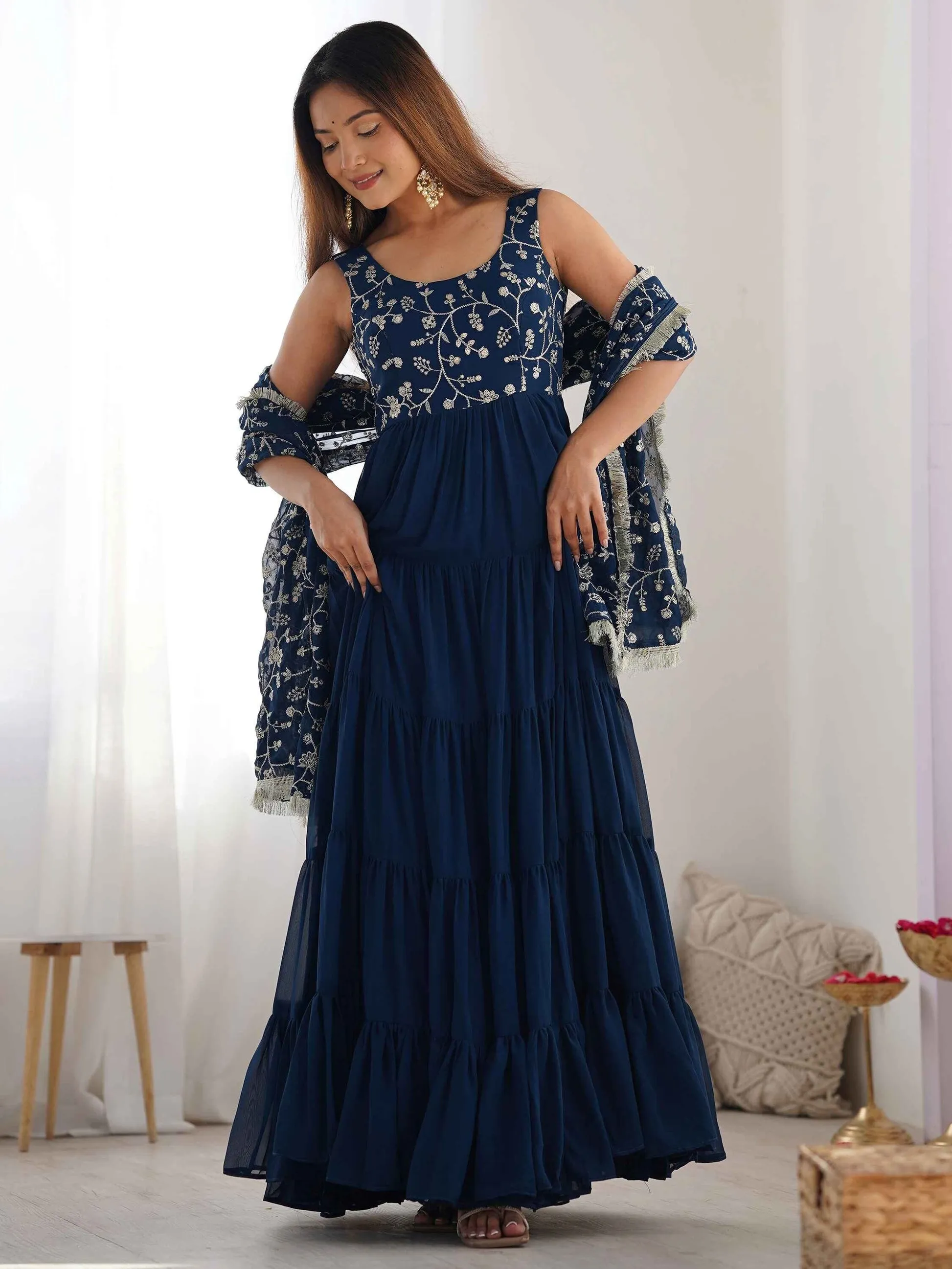
Jewellery should be chosen after the gown, particularly when the neckline has its own embroidery or design detail.
A high or heavily decorated neckline may need only statement earrings. A deeper neckline can leave room for a necklace, while an off-shoulder or open neckline may work with either a delicate chain or a stronger choker depending on the gown.
Some easy combinations include:
-
Detailed neckline with statement earrings
-
Simple neckline with a structured necklace
-
Embellished sleeves with fewer bangles
-
Metallic embroidery with matching jewellery tones
-
Minimal gown with one bold accessory
Keeping one dominant jewellery feature usually produces a cleaner result.
Plan Footwear Around More Than Height
Shoes affect both the gown length and how comfortably you move. High heels may create the desired silhouette, but they are not always practical for several hours of standing.
Block heels, wedges, embellished flats, or lower heels can provide more support while still working with formal dressing.
Choose footwear before the final alteration so the hem can be adjusted correctly. If you plan to change into flats later, check whether the gown will become too long once the heel height changes.
Rehearse the Complete Look
A proper trial should involve more than standing in front of a mirror. Wear the gown with the actual footwear, jewellery, and undergarments you plan to use.
Walk, sit, turn, and raise your arms. Check whether the neckline stays in place and whether the skirt moves comfortably.
It is also worth testing the outfit for twenty or thirty minutes. Small fit problems often become much clearer after wearing the complete look for a while.
Final Thoughts
A wedding gown should work beyond the fitting room. It needs to photograph beautifully, complement the event, and remain manageable throughout hours of celebration.
Thinking about role, fabric, silhouette, jewellery, footwear, and movement before the wedding can prevent many last-minute problems. When visual impact and practical comfort receive equal attention, the final look feels elegant without taking attention away from enjoying the occasion.
